
How It Works
A Process Built Around Your Practice
(Not a Curriculum)
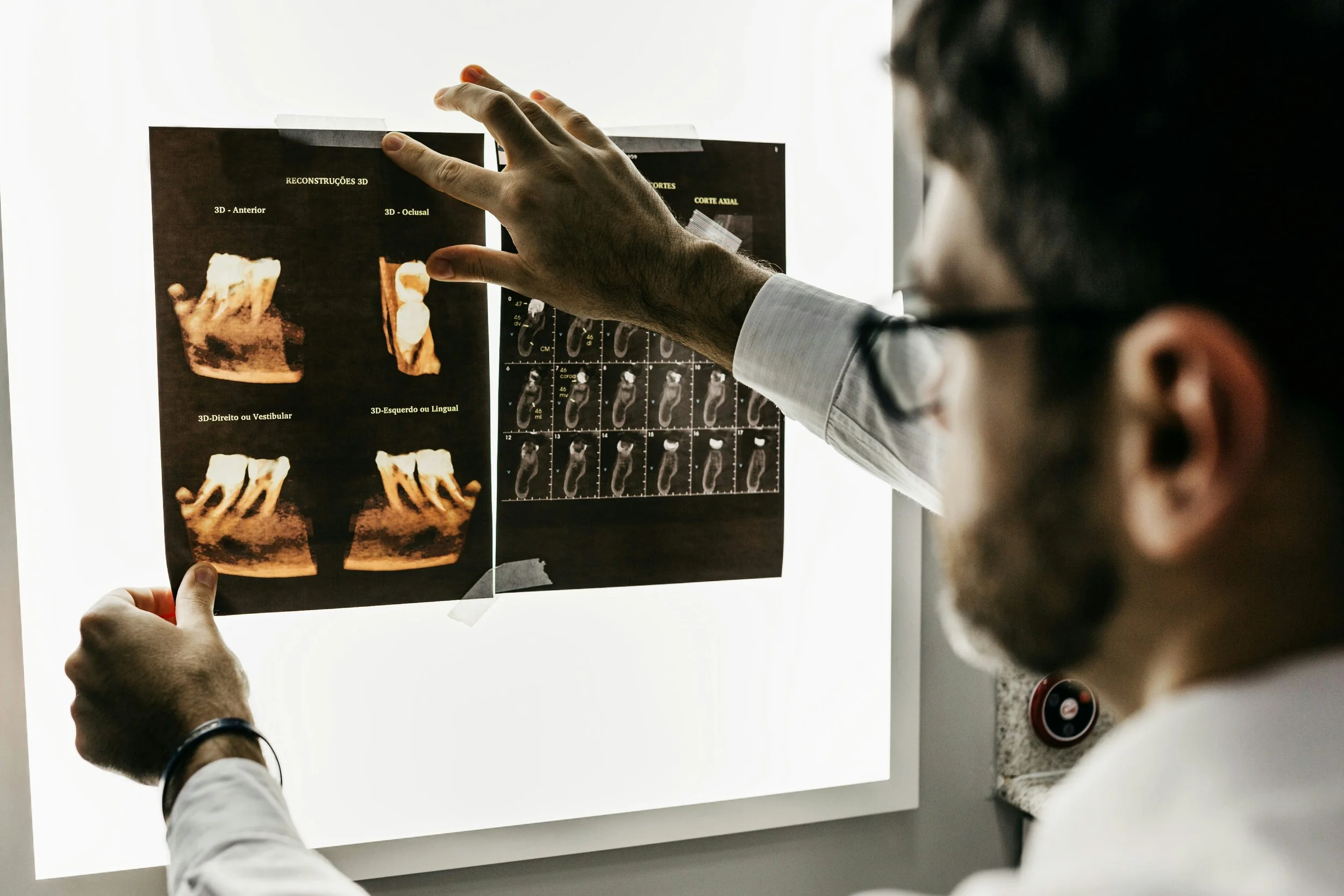
Most practice-management resources give you a list of ideas, and leave you to figure out what to do next.
I take a different approach. I start by looking closely at your practice to identify where the greatest opportunities exist. Then we determine which changes will make the biggest difference, put them in the right order, and work together to implement them.
It’s not about giving you more ideas. It’s about helping you make the right changes, and making sure they actually happen.
Here is how I do it:
Objectively Evaluate Where You Are Today — An outside, unbiased look at your numbers, your systems, and your team, the kind of evaluation that’s almost impossible to do on your own practice.
Identify the Biggest Opportunities — Not everything matters equally. We find the two or three areas that will move the needle most.
Decide What Comes First — The right idea, implemented at the wrong time or in the wrong order, rarely sticks. We build a sequence that fits your practice’s reality.
Show You and Your Team How to Implement It — Ideas fail without execution. This is hands-on: training, role-playing, and follow-through with your actual team.
Monitor What’s Actually Working — We track results against real numbers, not assumptions, so you know whether a change is paying off.
Reassess and Find the Next Best Step — A practice keeps evolving. Once one priority is handled, we identify what’s next.
This Is the Difference Between Information and Results
Seminars, CE courses, and podcasts are full of good ideas. What’s missing is knowing which idea your practice needs first, and having someone make sure it actually happens. That’s the gap this process closes.
Ready to Find Out What Your Practice Needs Most?